Choosing the right clean coding book can change how your team thinks about code. Beyond syntax and patterns, the best resources teach a shared philosophy of craftsmanship: how to write code that’s readable, maintainable, and scalable. This guide helps you pick a book that fits your team’s experience, shows practical ways to apply its lessons, and explains how to measure the business impact of cleaner code.
November 28, 2025 (9mo ago) — last updated June 15, 2026 (3mo ago)
Best Clean Code Books for Engineering Teams
Choose the best clean code book for your team, apply its principles with hands-on practices, and measure ROI with clear KPIs and refactoring checklists.
← Back to blog
Finding the Best Clean Coding Book for Your Team
Summary: Discover how to choose the right clean coding book. This guide covers core principles, evaluation criteria, and team implementation for writing better software.
Introduction
Choosing the right clean coding book can change how your team thinks about code. Beyond syntax and patterns, the best resources teach a shared philosophy of craftsmanship: how to write code that’s readable, maintainable, and scalable. This guide helps you pick a book that fits your team’s experience, shows how to put its lessons into practice, and explains how to measure the real business value of cleaner code.
Why a Great Clean Coding Book Matters

What separates good code from great code is long-term thinking. Are you building a temporary shack or designing a skyscraper? Clean code is the set of practices that make software understandable, adaptable, and durable. When code is clean, anyone on the team can read, modify, and debug it without excessive friction. Messy code accumulates technical debt and slows future development; some reports show developers can spend a large portion of their time deciphering and fixing poorly written code1.
The Hallmarks of Professional Code
A top clean coding book teaches more than style; it teaches a mindset. Look for resources that emphasize:
- Readability: code should reveal its intent at a glance
- Maintainability: you can safely change parts of the system without breaking others
- Testability: the code is structured so automated tests are straightforward to write
- Efficiency: clarity avoids unnecessary complexity that harms performance
“A focus on doing things well up front lets you move faster later.” A practical book gives an actionable framework and a shared vocabulary for your team—turning a codebase into an asset, not a liability.
The Core Principles Every Developer Must Master
Clean coding principles are the grammar of programming. With them, teams express complex designs clearly. Without them, code is hard to read and costly to change.
Meaningful Naming
Names should tell a story. If you need a comment to explain a variable, pick a better name. A variable named elapsedTimeInDays is clearer than d. A function called fetchAndValidateUserData() is more informative than processData().
Small Functions and Single Responsibility
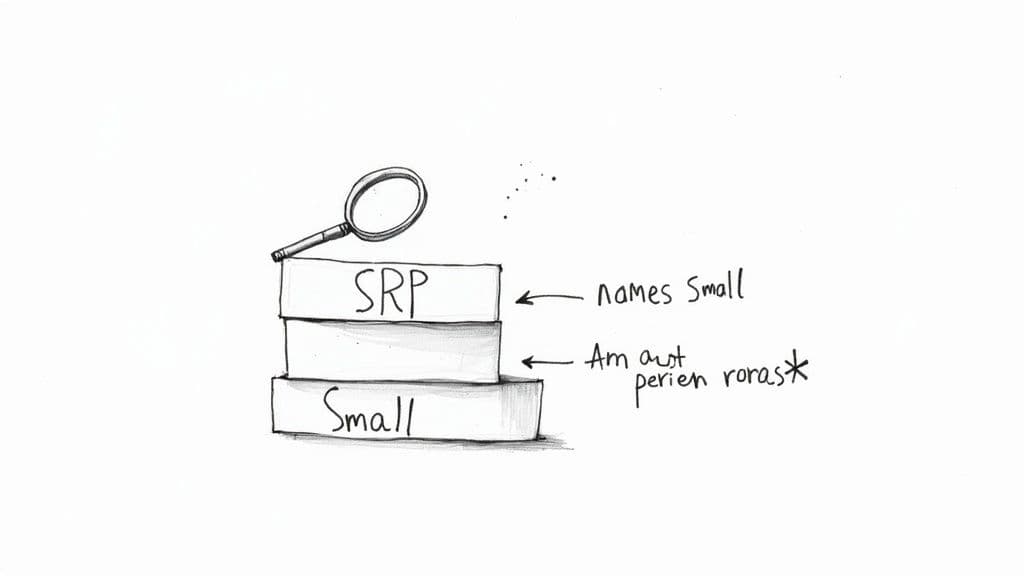
Keep functions focused and short. The Single Responsibility Principle (SRP) says a unit should have only one reason to change. Large functions that fetch, validate, and save data are fragile and hard to test. Break tasks into small, named pieces that are easy to test in isolation.
Principles in Modern Development
These ideas align with agile practices and Test-Driven Development (TDD). TDD encourages small, testable units. Agile teams rely on clean code to stay flexible: a well-factored codebase reduces the risk of unintended side effects when adding features.
Choosing the Right Book for Your Team
Selecting a clean coding book is about fit, not popularity. Consider your team’s experience, the languages you use, and the kinds of systems you maintain.
Align with Team Experience
- For junior teams: choose books that explain the “why” with simple, concrete examples
- For mid and senior teams: look for deeper guidance on architecture, dependency management, and large-scale refactoring
Key Content Areas to Evaluate
- Quality and relevance of examples — are examples in the languages your team uses (TypeScript, Python, etc.)?
- Refactoring approach — does the book provide step-by-step refactoring patterns and ways to spot “code smells”?
- Coverage of modern practices — does it address asynchronous code, front-end state, and contemporary testing approaches?
For curated lists, see our guide to the best clean code books and our deep dive on essential clean coding principles.
Clean Coding Book Evaluation Checklist
| Evaluation Criterion | What to Look For | Importance |
|---|---|---|
| Team skill level alignment | Matches experience level (junior, mid, senior) | High |
| Language relevance | Examples in your team’s languages | High |
| Practicality of advice | Actionable steps over abstract theory | High |
| Refactoring guidance | Clear steps to identify and fix issues | High |
| Coverage of modern topics | Async, state management, modern APIs | Medium |
| Clarity and readability | Engaging and clear writing | Medium |
| Focus on “why” | Explains principles, not just rules | High |
| Testability and TDD | Emphasizes writing testable code | Medium |
Putting Clean Code Principles into Practice

Reading a book isn’t enough. Your team must practice and reinforce the principles until they become habits.
Create a Structured Reading Plan
Run a book club:
- Assign chapters weekly so progress is steady
- Schedule 30-minute discussions to share questions and examples
- Ask participants to bring examples from your codebase that relate to the chapter
Hands-On Exercises
Use code katas or real refactoring tasks from your codebase. Try a “code smell of the week” initiative and make that smell the focus of reviews and pair sessions.
Pairing and AI Tools
Pair programming spreads knowledge and enforces standards. Modern AI-assisted refactoring tools can show real-time suggestions—spotting oversized functions or proposing clearer names—to help developers learn by example.
Measuring the ROI of Clean Code Training
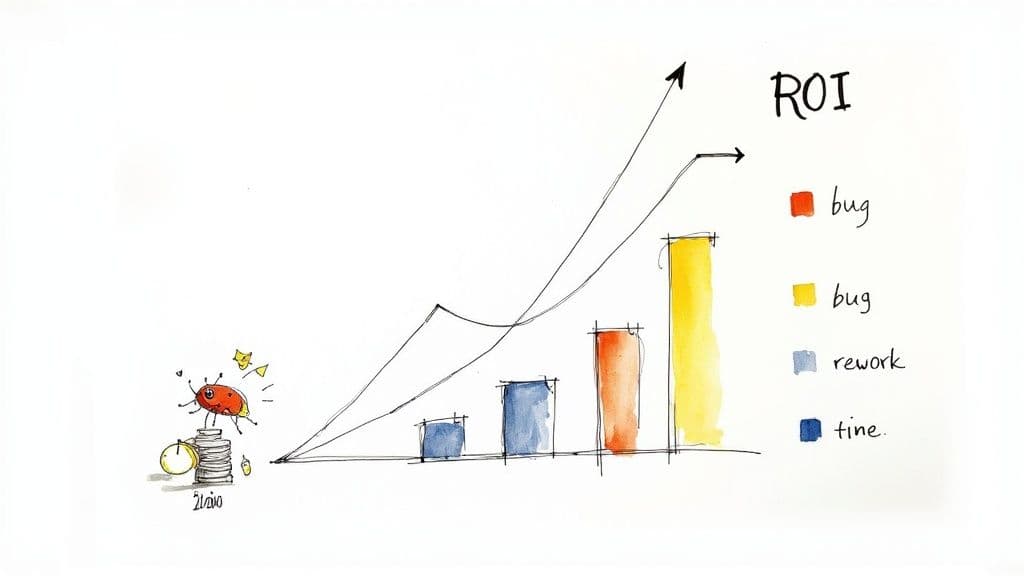
To get budget approval, translate clean code into measurable outcomes. Track KPIs before and after training to show impact. Companies that invest in engineering practices report measurable improvements in delivery performance and lower change failure rates2.
KPIs to Track
- Bug density: bugs per 1,000 lines of code
- Time spent on rework: percentage of time spent fixing existing work
- Cyclomatic complexity: number of code paths; track trends with tools
- New developer onboarding time: time until a new hire ships their first meaningful feature
Link these metrics to business outcomes: faster time-to-market, fewer hotfixes, and lower long-term maintenance costs.
Common Questions About Clean Coding Books
Is “Clean Code” by Robert C. Martin still useful?
Yes. It’s a foundational text for the principles of clean code. Its Java examples may feel dated for teams working in TypeScript or Python, so pair it with language-specific resources to translate the concepts into your stack.
How soon will we see results?
Expect small wins in weeks (better names, smoother reviews). Measurable changes—reduced bug rates or faster delivery—typically appear after three to six months of consistent practice and reinforcement.
How do I handle resistance?
Start small. Pick one or two principles for the next sprint. Measure the impact and celebrate wins. When senior engineers model the behavior, adoption spreads faster.
Quick Q&A: Common Team Concerns
Q: What should we prioritize first?
A: Start with naming and small functions. They’re low-friction changes with immediate benefits for readability and reviews.
Q: Which KPI proves ROI fastest?
A: Time spent on rework and bug density are the most convincing early indicators. They reflect everyday developer pain and map directly to cost savings.
Q: How do we keep learning from the book?
A: Run a weekly book club, refactor real code in group sessions, and use pair programming plus AI tools to practice the principles in context.
Concise Q&A Summary
Q: How do I pick a clean coding book for my team?
A: Match the book to your team’s skill level and language, prioritize practical refactoring examples, and confirm coverage of modern patterns.
Q: What quick wins come from clean coding training?
A: Better naming, smaller functions, clearer tests, and faster code reviews—visible within weeks.
Q: How do we show business value?
A: Track bug density, time on rework, complexity metrics, and onboarding time before and after training.
Three Concise Q&A Sections (Bottom of Article)
Q: How do I choose between introductory and advanced clean code books?
A: Match the book to your team’s average experience—pick concrete examples and exercises for juniors, and architecture/refactoring depth for senior teams.
Q: What practical steps make the biggest immediate difference?
A: Improve names, split large functions, and add small focused tests. These changes reduce review friction and reveal defects earlier.
Q: How should we report results to stakeholders?
A: Present before-and-after KPIs (bug density, rework time, onboarding time) and show one or two concrete refactor stories with estimated time saved.
At Clean Code Guy, we help teams turn principles into practice through audits, refactors, and workshops. Start building a healthier codebase today at https://cleancodeguy.com.
1.
https://stackify.com/how-much-time-do-developers-spend-on-bugs/ — Stackify. How Much Time Do Developers Spend Debugging?
2.
https://cloud.google.com/devops/state-of-devops — Google Cloud. State of DevOps / DORA report — metrics and business impact for software delivery performance.
3.
https://itrevolution.com/book/accelerate/ — Nicole Forsgren, Jez Humble, and Gene Kim. Accelerate: The Science of Lean Software and DevOps — research linking engineering practices to delivery performance.
🙋🏻♂️
AI writes code.You make it last.
In the age of AI acceleration, clean code isn’t just good practice — it’s the difference between systems that scale and codebases that collapse under their own weight.