Domain‑Driven Design (DDD) helps teams manage business complexity by aligning code with the domain. The right books and a clear learning path speed adoption and reduce confusion. This guide lists the 12 best places to get DDD books, a recommended reading order, and practical steps to apply DDD in modern stacks like TypeScript and Next.js.
January 10, 2026 (6mo ago) — last updated July 10, 2026 (17d ago)
Top 12 Domain-Driven Design Books (2026 Guide)
Find the top 12 Domain‑Driven Design books in 2026, where to buy them, recommended reading order, and practical tips to apply DDD in modern stacks.
← Back to blog
Top 12 Domain‑Driven Design Books (2026 Guide)
Summary: Curated 2026 guide to the 12 essential Domain‑Driven Design books, where to buy them, recommended reading order, and how to apply DDD in modern stacks.
Introduction
Domain‑Driven Design (DDD) helps teams manage business complexity by aligning code with the domain. The right books and a clear learning path speed adoption and reduce confusion. This guide lists the 12 best places to get DDD books, recommends a reading order by skill level, and shows how to apply DDD concepts in modern stacks like TypeScript, React, and Next.js. Use the practical next steps to move from theory to repeatable, production-ready practice.
How to use this guide
We group sellers and platforms by what they do best: publisher editions, regional storefronts, digital libraries, used marketplaces, hands‑on publishers, and subscription services. Each entry explains why it’s useful, the best scenarios, and key features so you can match procurement to budget, region, and reading preferences.
1. InformIT (Addison‑Wesley/Pearson official store)
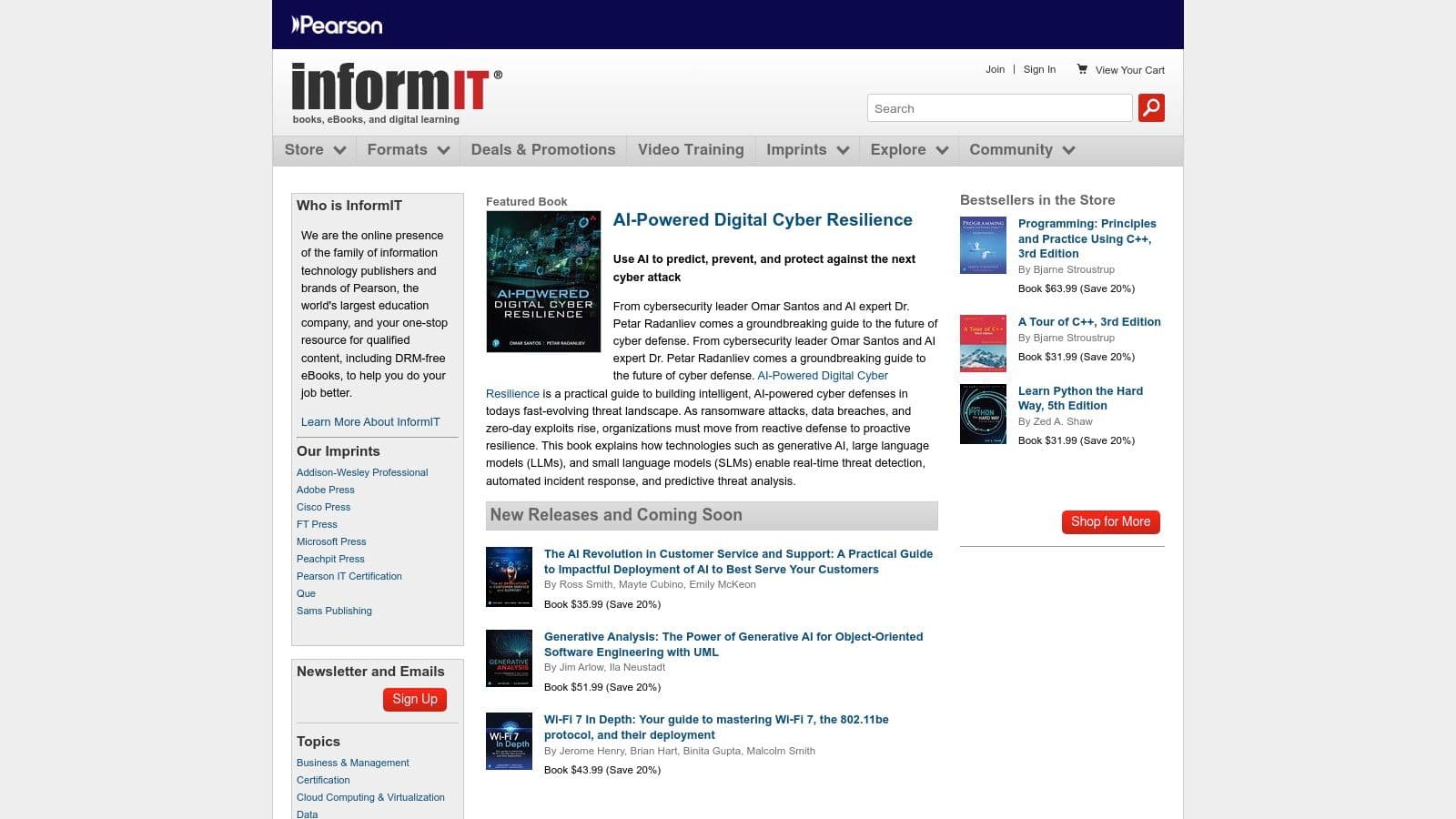
InformIT is the publisher storefront for Addison‑Wesley Professional, the home of Eric Evans’ foundational DDD text and many canonical editions. Buying here ensures official metadata, accurate editions, and often print + eBook bundles. Publisher downloads are typically higher quality and sometimes provided DRM‑free or watermarked, which helps teams standardize on a single edition.1
- Website: https://www.informit.com/
- Best for: Official editions and publisher bundles
- Key feature: Publisher‑direct files and authoritative metadata
2. Pearson Canada Store (Addison‑Wesley − Canada)
Pearson Canada is the best channel for Canadian teams needing CAD billing and domestic fulfillment. It simplifies procurement, expensing, and shipping timelines when buying core DDD titles in Canada.
- Website: https://www.pearson.com/en-ca/
- Best for: Canadian buyers needing local billing and shipping
- Key feature: Canada‑specific pricing and eTextbook options
3. Indigo (Chapters/Indigo – Canada)
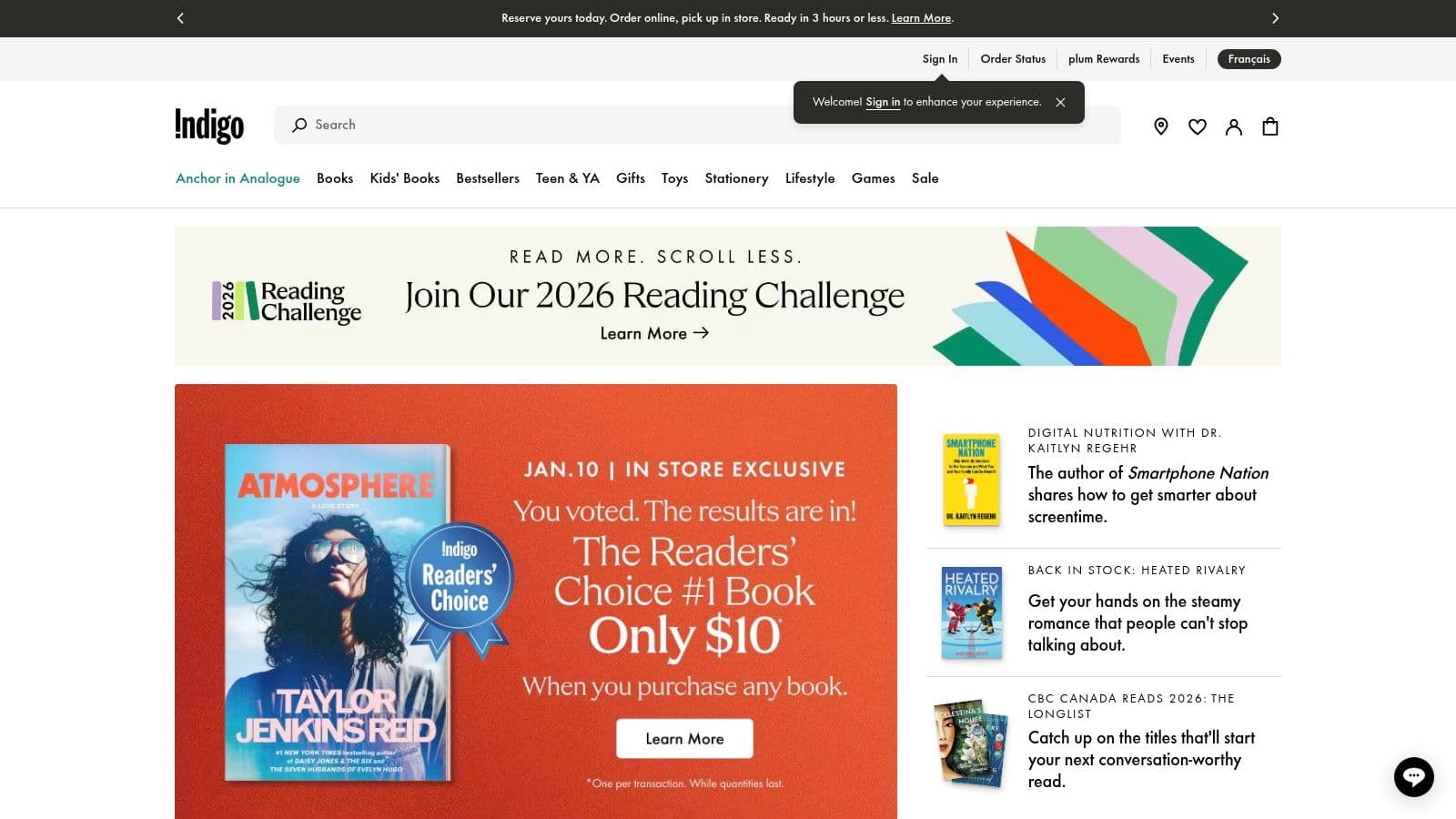
Indigo is Canada’s largest retailer and useful for quick local pickup, predictable returns, and bulk physical orders. Its business and tech sections cover popular DDD titles and it offers loyalty programs that reduce costs for larger purchases.
- Website: https://www.indigo.ca/
- Best for: Local pickup and bulk physical orders in Canada
- Key feature: In‑store pickup, Plum Rewards
4. Rakuten Kobo (Canada)
Kobo is ideal for teams that prefer eReaders and EPUB workflows. It bills in CAD and integrates with Kobo devices and apps, although EPUB files are typically Adobe DRM‑protected, which limits portability to non‑supported readers.
- Website: https://www.kobo.com/ca/
- Best for: Readers on Kobo devices or apps
- Key feature: Native Kobo integration and CAD billing
5. Apple Books (Canada/US)
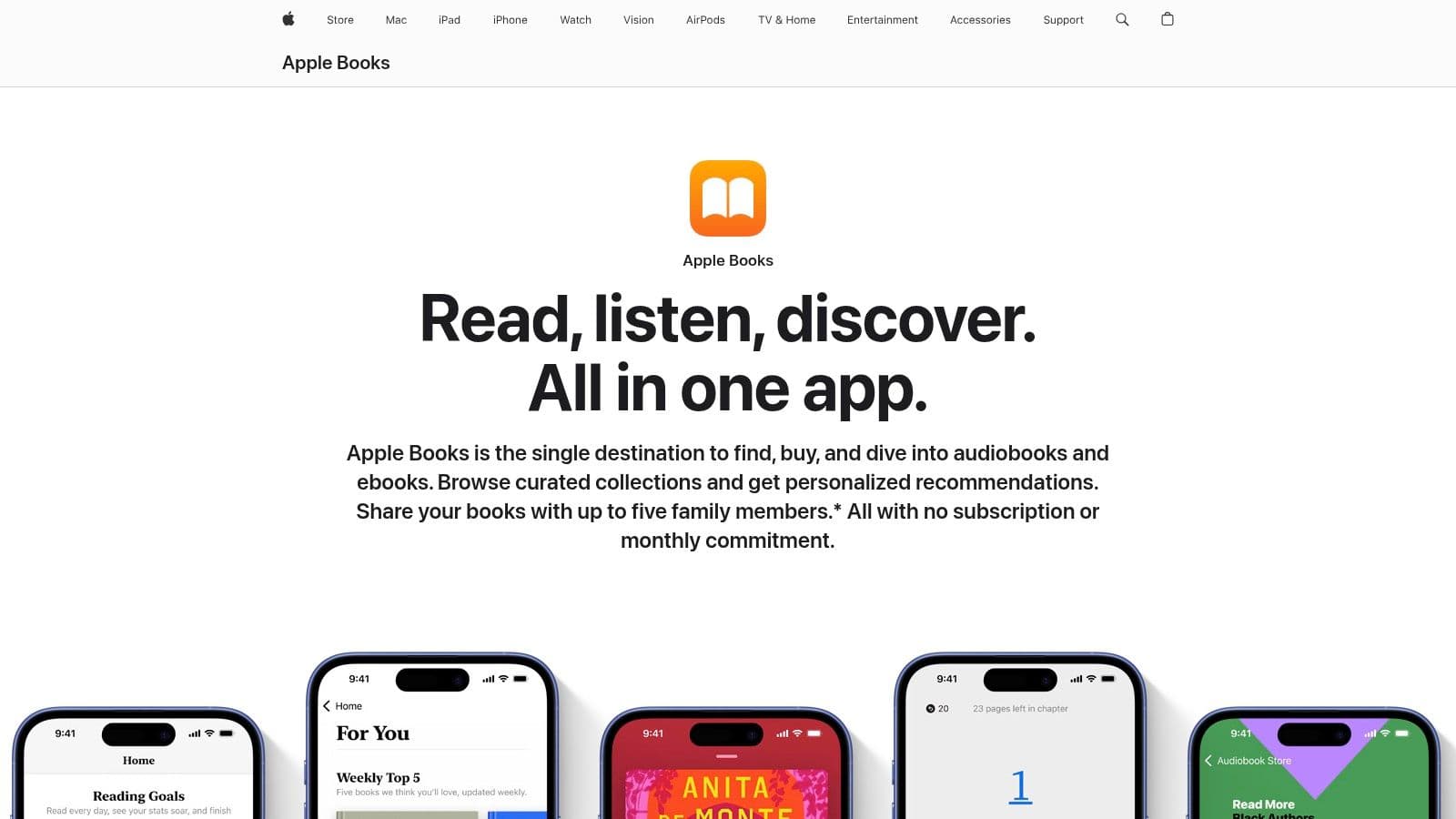
Apple Books provides a native reading experience across Apple devices with sync and Family Sharing. It’s a convenient option for teams that use macOS and iOS exclusively and want a straightforward purchase and reading flow.
- Website: https://books.apple.com/
- Best for: Teams fully in the Apple ecosystem
- Key feature: Cross‑device sync and Family Sharing
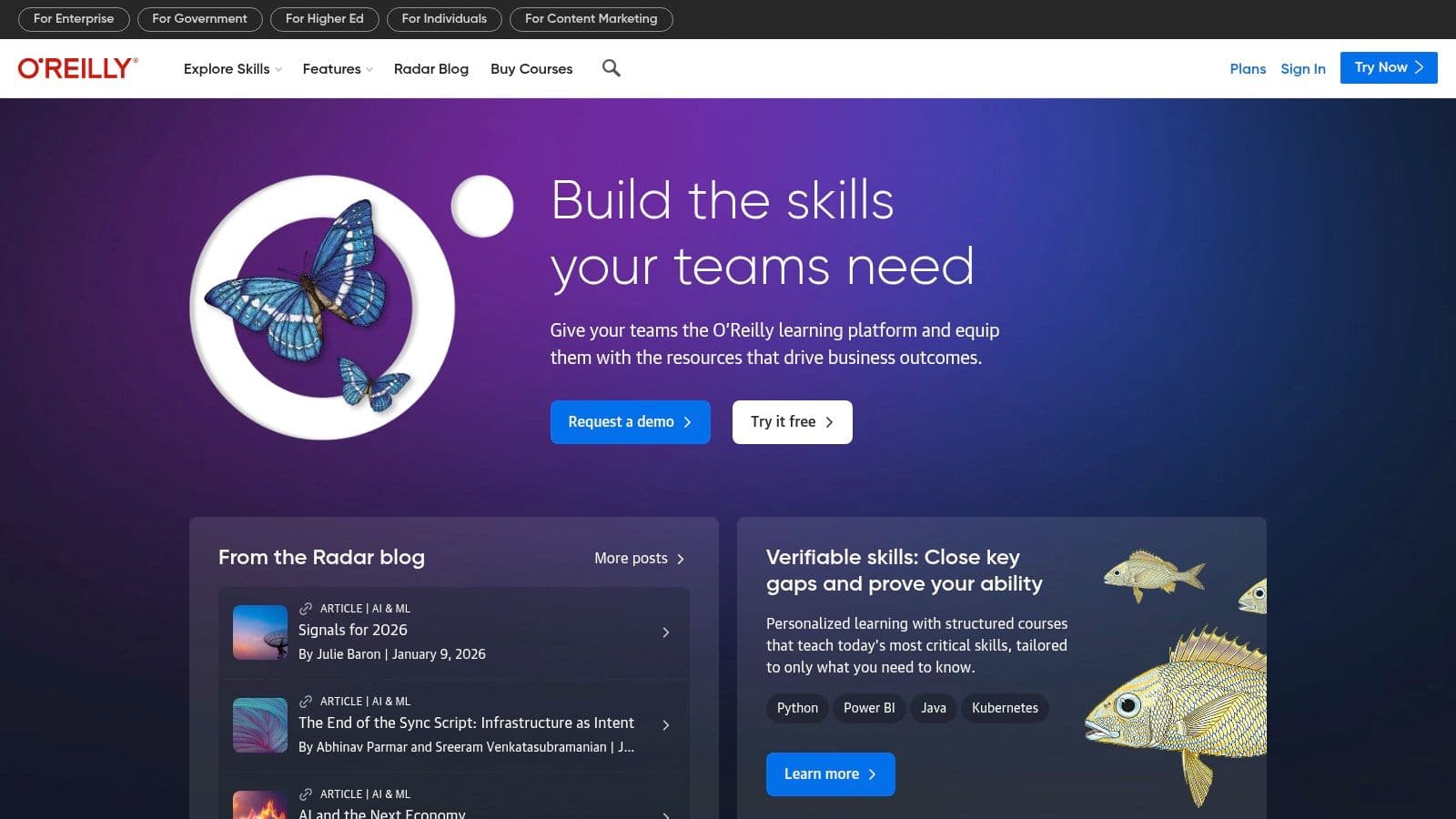
6. O’Reilly Learning (Safari)
O’Reilly Learning is a subscription platform providing access to books, videos, interactive tutorials, and curated learning paths. It’s valuable for teams that want a continuous learning model and the ability to combine books with video courses and live training.2
- Website: https://www.oreilly.com/
- Best for: Teams needing books plus structured training
- Key feature: Searchable multi‑publisher library with playlists and analytics
7. OverDrive/Libby (Library access)
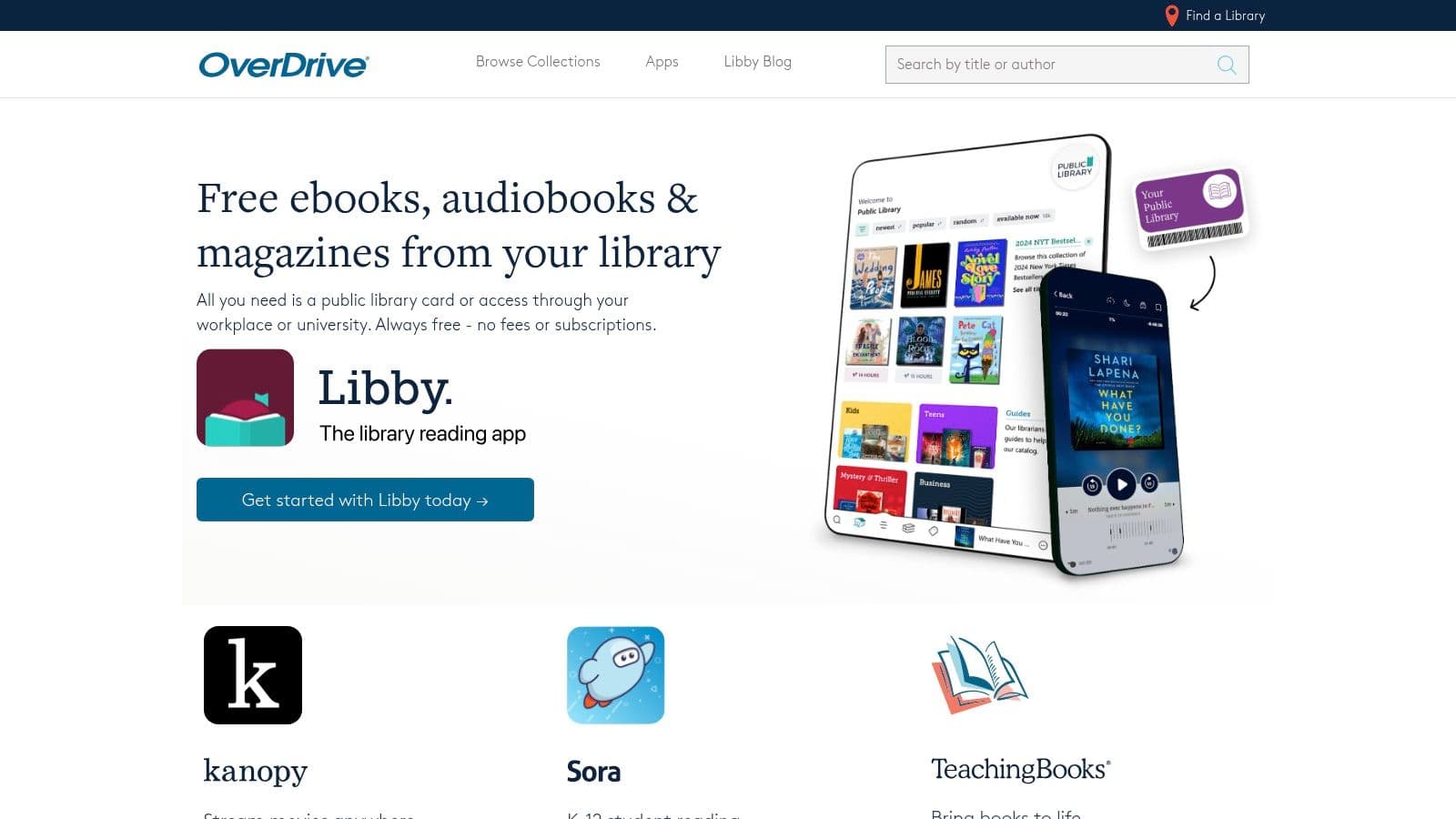
Public and academic libraries provide free access to many DDD titles through OverDrive and Libby. This is a great way to test books before buying or to supplement a team’s reading without extra cost, though availability depends on local digital licensing and popular titles may have waitlists.3
- Website: https://www.overdrive.com/
- Best for: Budget‑conscious learners and try‑before‑you‑buy
- Key feature: Borrow eBooks and audiobooks with a library card
8. AbeBooks
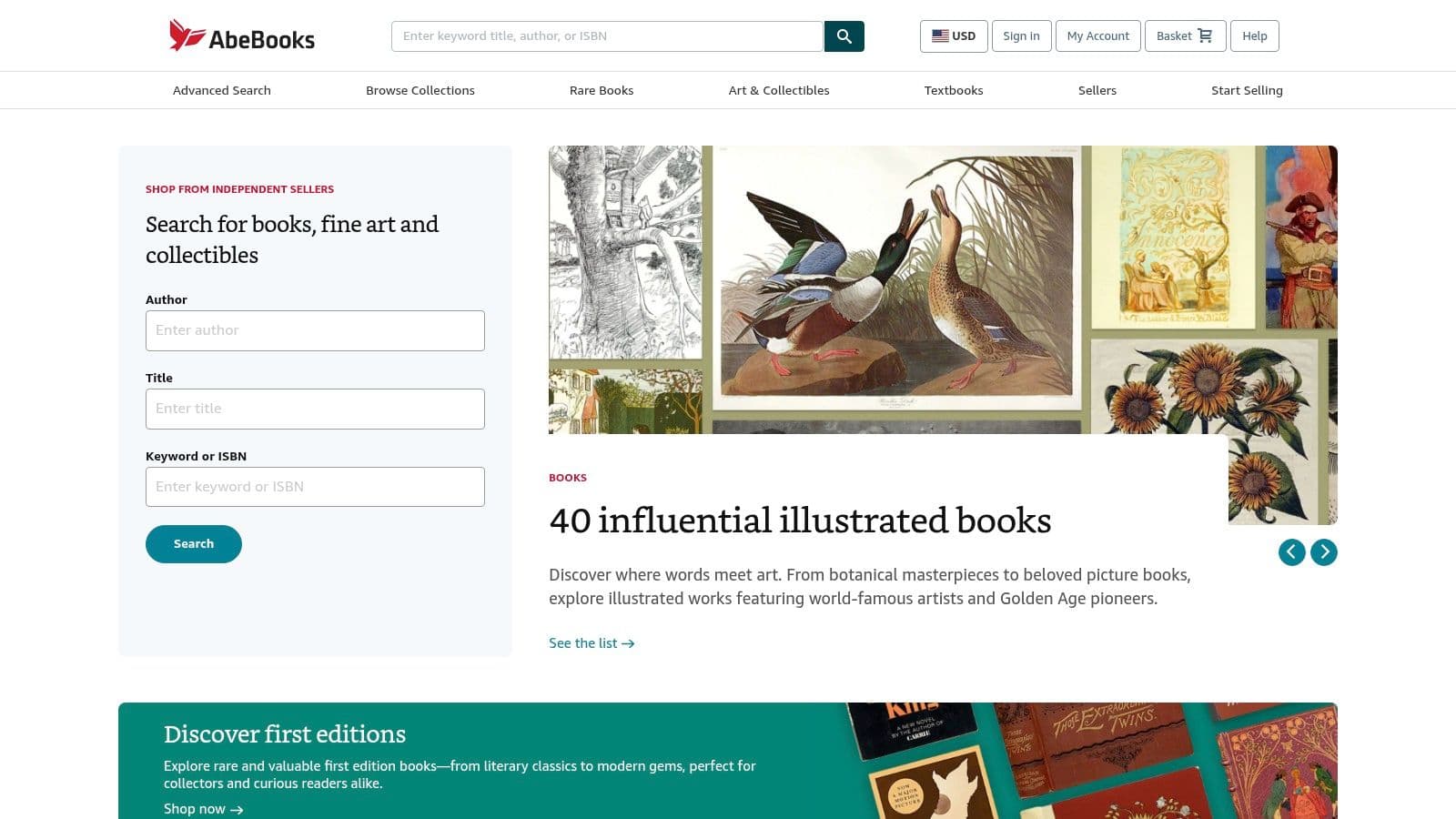
AbeBooks connects independent sellers worldwide, making it a top choice for affordable used copies and out‑of‑print editions. Check seller ratings and condition notes closely when ordering multiple copies for a team.
- Website: https://www.abebooks.com/
- Best for: Used or rare physical copies at lower cost
- Key feature: Global marketplace with condition grading
9. Better World Books
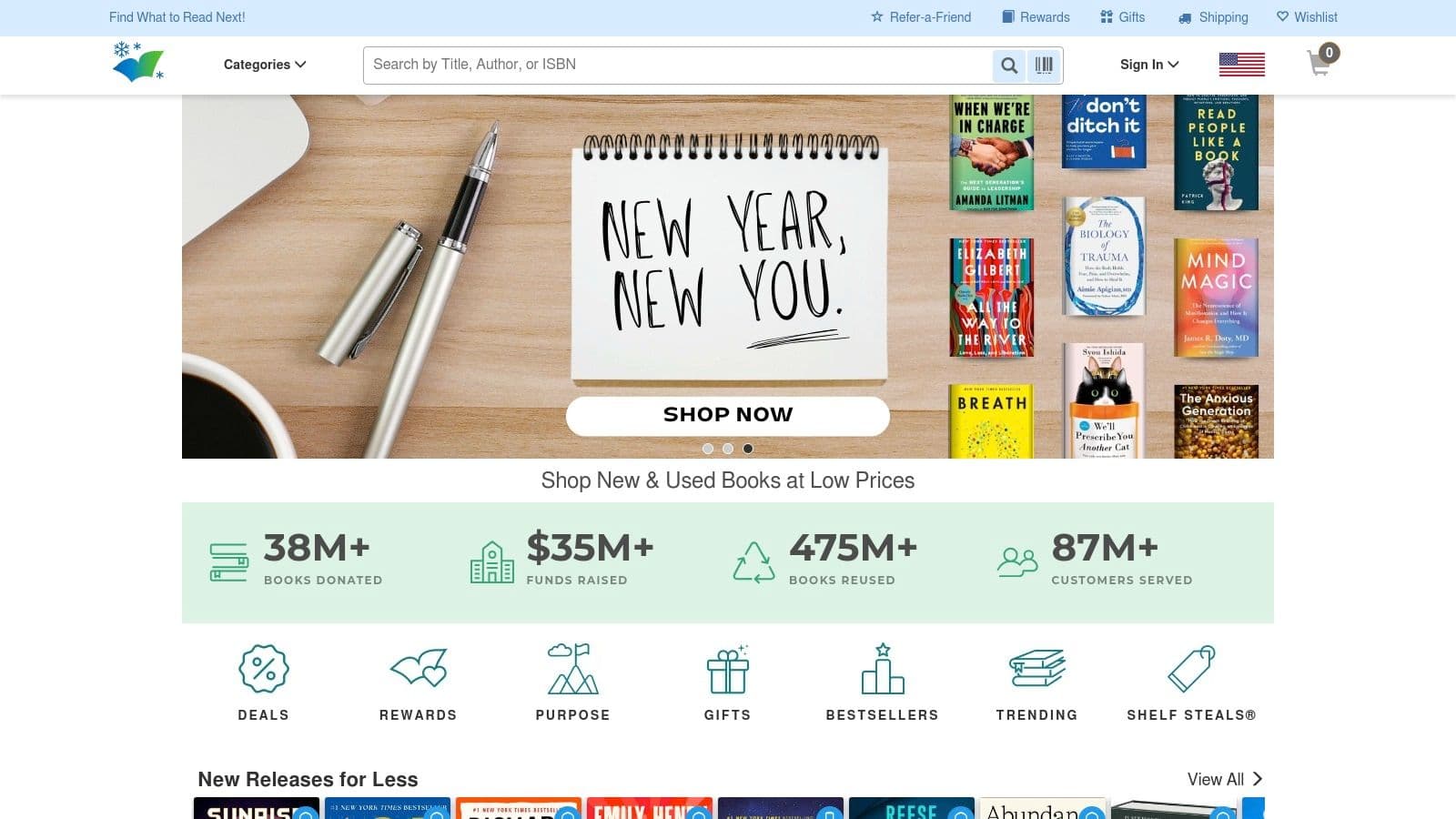
Better World Books specialises in used and surplus copies and supports literacy charities. It’s a socially conscious, budget‑friendly option for teams buying multiple physical books.
- Website: https://www.betterworldbooks.com/
- Best for: Low‑cost team libraries with charitable impact
- Key feature: Supports literacy initiatives and often has free shipping promotions
10. Packt Publishing
Packt focuses on practical, implementation‑oriented guides that apply DDD to specific stacks, for example .NET or Python. Many Packt titles include downloadable code repositories and DRM‑free eBook formats, which is ideal for hands‑on teams.4
- Website: https://www.packtpub.com/
- Best for: Practical, language‑specific DDD guides
- Key feature: DRM‑free eBooks and sample code

11. Barnes & Noble (NOOK eBooks and print)
Barnes & Noble is a solid U.S. option for print and NOOK eBooks. It’s convenient for U.S. corporate accounts and individuals who prefer a familiar retail experience and instant NOOK downloads.
- Website: https://www.barnesandnoble.com/
- Best for: U.S. buyers and NOOK users
- Key feature: Instant NOOK access alongside print fulfillment

12. eBooks.com
eBooks.com offers global digital storefront capabilities and corporate invoicing, making it useful when regional restrictions block other platforms. It provides cloud access and downloadable formats where publisher rights permit.
- Website: https://www.ebooks.com/
- Best for: Corporate purchases and overcoming regional restrictions
- Key feature: Corporate invoicing and global access
12‑Store Comparison (Quick reference)
| Seller | Best for | Key feature |
|---|---|---|
| InformIT | Official editions | Publisher bundles and authoritative files1 |
| Pearson Canada | Canadian buyers | CAD billing and local shipping |
| Indigo | Local pickup (Canada) | In‑store pickup and returns |
| Rakuten Kobo | eReaders | Native Kobo integration |
| Apple Books | Apple ecosystem | Cross‑device sync |
| O’Reilly | Continuous learning | Books + videos + analytics2 |
| OverDrive/Libby | Free access | Library lending via Libby3 |
| AbeBooks | Used copies | Marketplace for rare/used books |
| Better World Books | Budget + charity | Reused books, charitable support |
| Packt | Practical guides | DRM‑free eBooks and code repos4 |
| Barnes & Noble | U.S. buyers | NOOK + print fulfillment |
| eBooks.com | Global purchases | Corporate invoicing and downloads |
Your Next Chapter: Building a Culture of Domain‑Centric Development
These books are more than a reading list — they’re a toolkit for reshaping how your organisation approaches software. DDD is a cultural shift that requires shared language, strategic design, and deliberate practice. Start by introducing the ubiquitous language in meetings and documentation, then apply DDD to a single bounded context to build a reproducible success story. For a focused plan, see our DDD reading order guide: [/guides/ddd-reading-order]
From Knowledge to Action: Pragmatic next steps
- Form a study group and work through a foundational text together.
- Pick a single bounded context to refactor or build using DDD principles.
- Prioritise strategic design before tactical patterns.
- Invest in ongoing learning and combine books with practical workshops or an O’Reilly team subscription2.
Making DDD tangible in your stack
DDD is technology‑agnostic. Whether your front end uses TypeScript and Next.js or your backend is a monolith, focus on clear separation of responsibilities and a shared domain model. TypeScript and React continue to be common front‑end choices for teams adopting component-driven architectures, so map domain concepts to clear module boundaries and domain services in your codebase5. Many practical guides listed above include code examples and recipes to help translate concepts into production code4.
Frequently Asked Questions
Q1: Which book should I start with if I’m new to DDD?
Start with Eric Evans’ Domain‑Driven Design for foundational theory, then read Vaughn Vernon’s Domain‑Driven Design Distilled for a shorter, practical overview. After that, choose implementation guides that match your tech stack.
Q2: What’s the cheapest way to try multiple DDD books?
Use OverDrive/Libby through your local library to borrow titles for free. For sustained team learning, consider an O’Reilly subscription for access to many books and video content under one license2.
Q3: How do I apply DDD in a legacy codebase?
Avoid big‑bang rewrites. Start with one bounded context or new feature area, apply DDD patterns there, and iterate. Use study groups and small experiments to validate approaches before wider rollout.
Quick Q&A — Concise answers to common needs
Q: How do I pick the right seller for my team?
A: Match the seller to your needs: publisher stores for canonical editions, Packt for code‑heavy guides, OverDrive for free trials, and AbeBooks or Better World Books for inexpensive physical copies.
Q: What reading order works best for teams?
A: Start with foundational theory (Evans), then a distilled practical overview (Vernon), then stack‑specific implementation books and hands‑on tutorials.
Q: How can I measure progress after reading?
A: Track small wins: a refactored bounded context, reduced bug rates in that area, faster onboarding to domain language, and team demos that show improved domain clarity.
1.
InformIT — Addison‑Wesley Professional publisher storefront. https://www.informit.com/
2.
O’Reilly Learning — subscription platform for books, videos, and team learning features. https://www.oreilly.com/
3.
OverDrive/Libby — digital library lending and public library partnerships. https://www.overdrive.com/
4.
Packt Publishing — practical, implementation‑focused guides that often include DRM‑free eBooks and code repositories. https://www.packtpub.com/
5.
Stack Overflow Developer Survey — insight into popular developer technologies and trends. https://insights.stackoverflow.com/survey/2024
🙋🏻♂️
AI writes code.You make it last.
In the age of AI acceleration, clean code isn’t just good practice — it’s the difference between systems that scale and codebases that collapse under their own weight.